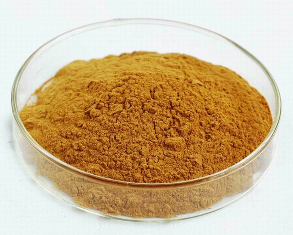
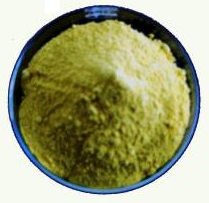
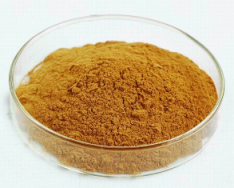
 GinolZym contains an “adaptogenic” mixture of fermented herbal compounds, including Zorvan (phytosterol), gingerol, hydroxycitric acid (HCA), Butyrate, Chitosan oligisaccharide (a biodegradation product of dietary fiber chitosan), Q-enzyme, GLC (mushroom extract), AJC, Red fruits extract, and Cinnol (phenolics) in a synergistic proprietary formula designed for the immune system modulation. GinolZym is rich in probiotics and enzymes and is biocompatible with human tissues. It provides 25 different probiotic strains that survive stomach acid to reach the intestines. It also creates the perfect environment for your probiotics to thrive, and delivers what your body is hungry for: a regular and healthy bowel, a healthy immune system, a healthy hormonal system, a healthy digestive system and a healthy nervous system.
Plant sterols, also known as phytosterols, were chemically described in 1922. Their ability to control cholesterol plasma levels in hypercholesterolemic patients was first described in 1983 when the structure of phytosterols implied that they could, by steric hindrance, inhibit the absorption of cholesterol from our diets. Research over the last 15 years indicates phytosterols and sterolins have important anti-inflammatory, anti-viral, anti-ulcer, anti-diabetic, anti-cancer and immune T-cell proliferative activities. Medical uses already include the treatment of hyper-cholesterolemia, benign prostatic hypertrophy and rheumatoid arthritis. It has also shown to be beneficial for allergies, viruses, fibromyalgia, BPH, lupus, TB, psoriasis, some forms of tumors and can protect bone marrow from chemotherapy. Phytosterols may also have a beneficial effect on hormone metabolism in general. In nature, plants never contain many different types of sterols. The sterol content in many plants are thought to be one of the major chemical compounds contributing to the health benefits of a variety of medicinal herbs such as Saw Palmetto, Pygeum, Pumpkin seeds, Devil’s Claw, Milk Thistle, Ginkgo Biloba, Panax and Siberian Ginseng.
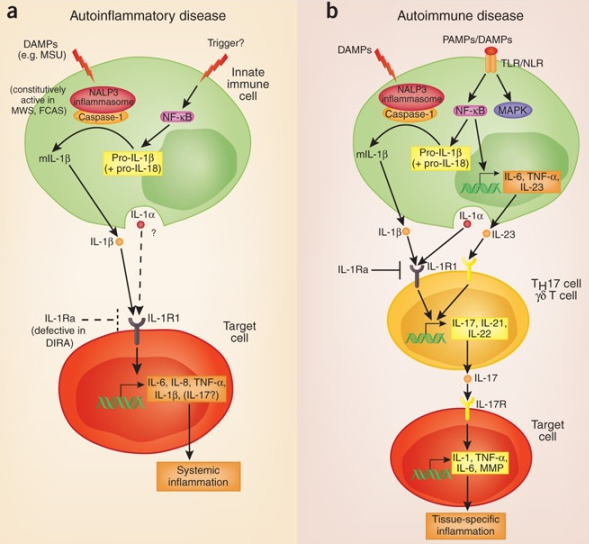
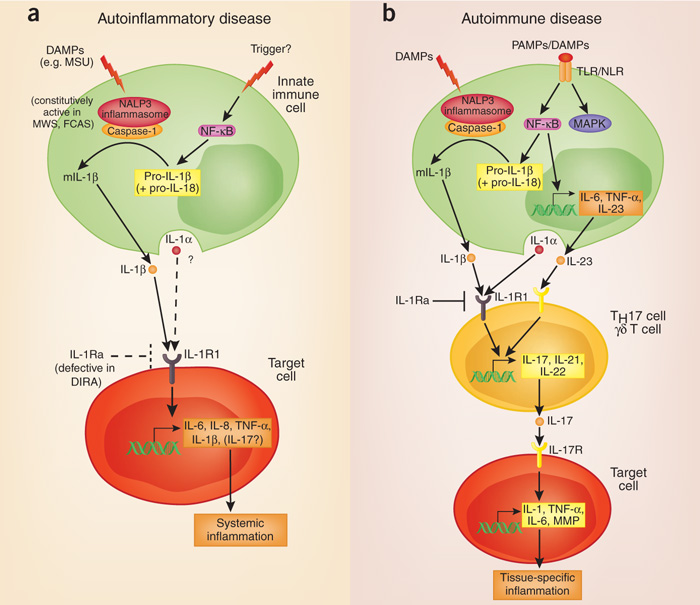
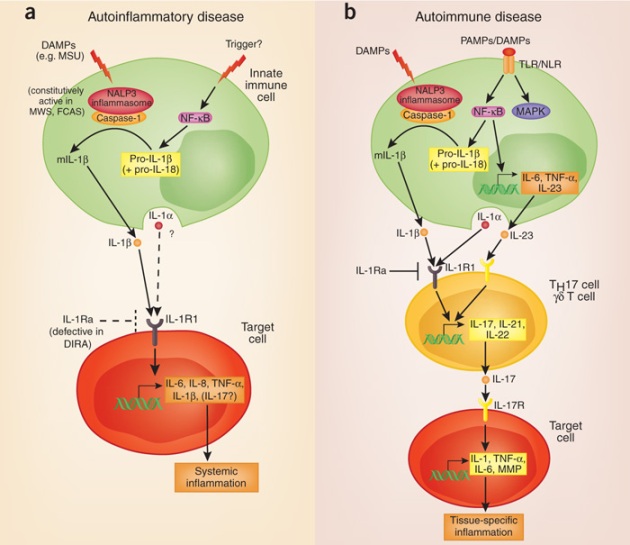
Unlike immune stimulants such as echinacea, phytosterol/sterolin balance the immune system. They boost an underactive response and moderate an overactive one. Unlike other immune stimulants, they would also be indicated for autoimmune conditions. Phytosterols maintain the proper balance between Th1 and Th2 T helper cells for a properly functioning immune system. Th1 cells control the Th2 activity responsible for the release of interleukins (IL-4, IL-6 and IL-10), which enhance the activity of B-cells. A deficiency of Th1 immune chemicals (lymphokines, IL-2, IL-12, and gamma interferon) would allow the Th2 cells to over-activate B cells or antibodies leading to an autoimmune reaction. This leading to such conditions as Rheumatoid Arthritis, Lupus, Multiple Sclerosis, Myasthenia Gravis and many others including many allergies and asthma.
There have been many papers published between 1966 and the present demonstrating the positive benefits of beta-sitosterol (BSS, a major constituent of phytosterols) and its glucoside beta-sitosterolin (BSSG) on the immune system. Although most studies have focused on the cholesterol-lowering activity of phytosterols, other biological actions have been ascribed to these plant sterol compounds, one of which is a potential immune modulatory effect. Phytosterols modulate the T-helper immune response, in part independently of their hypocholesterolemic effect in a setting of acute, aseptic inflammation. For rheumatoid arthritis (RA) the mixture of BSS and BSSG has demonstrated anti-inflammatory activities in vitro, inhibiting the secretion of IL-6 and TNF-alpha from activated monocytes. Both factors are implicated in the pathogenesis of RA. In one study, statistically significant reductions in joint tenderness and pain were found. The BSS:BSSG mixture was well tolerated and no serious adverse events were recorded. Other autoimmune disorders that may benefit from phytosterols include Addison’s disease, Colitis, Crohn’s Disease, Type I Diabetes, Grave’s Disease, Hashimoto’s Thyroiditis, Lupus, Myasthenia Gravis, Polymyalgia rheumatica, Scleroderma, and Sjogren’s syndrome. Sterolins are precursors to pregnenolone and then DHEA. It is believed that supplementation with phytosterols and sterolins may increase DHEA levels over the longer term.
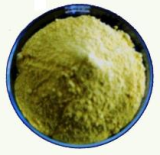 There are two cyclo-oxygenase (COX) enzymes present in the human body, COX-1 and COX-2. The COX-1 enzyme is found in most tissues and is necessary for a variety of important internal functions, such as protecting the stomach lining, maintaining renovascular function and platelet aggregation. The COX-2 enzyme, though, has an entirely different function. It is a necessary component of the inflammation process, which is a normal, healthy attempt by the body to heal itself. However, when inflammation gets out of control (such as in the case of arthritis or other chronic inflammatory disorders), ongoing pain and discomfort is the result. Prescription COX-2 inhibitors such as Vioxx and Celebrex have proven helpful in relieving out of control inflammation and its accompanying pain — but with notable side effects such as an increased risk of heart attacks and strokes. That’s where botanical COX-2 inhibitors such can help. Botanical COX-2 inhibitors block the action of the COX-2 enzyme in much the same way as prescription drugs do, but without the side effects.
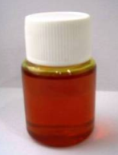 Although it’s probably better known for its anti-nausea properties, gingerol is also an effective COX-2 inhibiting anti-inflammatory agent that has historically been used for arthritis and rheumatism. In addition, Cinnol (phenolics) is very potent anti-inflammatory compounds. These substances explain why so many people with rheumatoid arthritis experience reductions in their pain levels and improvements in their mobility when they consume gingerol/Cinnol regularly. In a study of patients with rheumatoid arthritis (RA), all of them who received GinolZym experienced, to varying degrees, relief of pain and swelling. Butyrate is a short chain fatty acid that is a potent detoxifier of ammonia and neurotoxins. It encourages the formation of friendly bacteria in the gut.
Oral administration of chitosan oligisaccharide protects against mortality and intestinal inflammation in Ulcerative Colitis and Crohn’s Disease. Chitosan has been used for seed coating, frost protection, bloom and fruit setting stimulation and protective coating for fruits and vegetables. This is because it triggers the defensive mechanism in plants and also stimulates growth. It also has been used as a component in all types of dressing, surgical sutures, dental implants and in rebuilding bones and gums. Researchers have also shown that chitosan is biocompatible with human tissues, therefore less toxic than commonly used antibiotics. Chitosan also has an inhibitory effect on gram-negative harmful bacteria such as Klebsiella pneumonia. The presence of harmful bacteria such as Klebsiella pneumoniae and Proteus mirabilis in the gut correlates with IBD (Inflammatory Bowel Disease).
None of the patients reported adverse effects during the period of GinolZym consumption, which ranged from three months to 2.5 years. Another trial found GinolZym to be effective at relieving pain in people with autoimmune disease or IBD, including Ulcerative Colitis and Crohn’s Disease. GinolZym is synergistic with BosturZym, Oralzym , Oralzym-F and TeanZym.